

Non-Surgical Body Contouring Aftercare and Result Maintenance: What Keeps Results Consistent

Non-Surgical Body Contouring Aftercare and Result Maintenance: What Keeps Results Consistent

Body contouring aftercare is not the same as maintenance. After CoolSculpting or EmSculpt NEO, your recovery instructions matter most. They guide comfort, activity, and safety. They also help you tell normal recovery from a change that needs review.

Weight stability and muscle conditioning can support your result over time. But scale weight alone does not show localized shape. Compare photos and measurements using similar lighting, clothing, posture, and tape placement.

If you notice worsening pain, skin injury, or delayed firm enlargement, have it evaluated before considering another session. At Silva M.D. Anti Aging and Wellness in Chula Vista, we can review your treatment, symptoms, and current goal.

Read the full aftercare guide to understand what keeps body contouring results consistent.
Facial Treatment Aftercare and Maintenance: Botox, Fillers, Peels, RF, and Facials

Facial Treatment Aftercare and Maintenance: Botox, Fillers, Peels, RF, and Facials

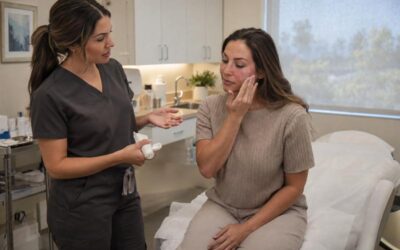
Facial treatment aftercare is different for Botox, fillers, peels, EXION RF microneedling, EMFACE, and facials. What you resume right away should follow the instructions for the exact treatment you received, not one simple “facial” rule.

Recovery and full results are two different milestones. Botox can take time to develop, filler swelling can change how contours look, and peels or microneedling need the skin barrier to settle. Pause retinoids, acids, scrubs, and added exfoliation until your written plan says it is safe to restart.

Maintenance is not automatic repeat treatment. Track the treatment name, date, products, and any symptoms. Bring those details to a follow-up so the next step is based on your response.

Read the full facial aftercare guide, then book a free consultation at Silva M.D. Anti Aging and Wellness in Chula Vista.

How to Choose a Non-Surgical Facial Treatment Based on Your Main Cosmetic Goal

How to Choose a Non-Surgical Facial Treatment Based on Your Main Cosmetic Goal

Choosing a non-surgical facial treatment by product name can miss the real goal. Start with the facial change you want to improve. Movement lines, volume loss, skin quality, and muscle tone each point to a different treatment path.

At Silva M.D. Anti Aging and Wellness, options like Botox, fillers, RF microneedling, and EMFACE are matched to the aging pattern, not the trend. A goal-based consultation helps identify the main concern, sequence sessions, and plan maintenance.

A customized plan supports a natural result, facial balance, and a maintenance rhythm you can manage.

Read the full guide to learn how to choose a non-surgical facial treatment that fits your goal.

How to Track Body Composition Progress Beyond the Scale

How to Track Body Composition Progress Beyond the Scale

Body composition progress is more than a scale number. A flat scale can still show fat loss if lean mass is improving, while a dropping number can miss lean-mass loss if waist and strength do not match.

At Silva M.D. Anti Aging and Wellness, we track body composition as a pattern: fat mass, lean mass, waist trend, functional performance, and medical context. This helps you see whether the current plan is producing the right kind of change, protecting muscle, and supporting wellness over time.

If your weight, waist, energy, strength, or body fat trend does not match your expectations, a customized review can help identify what needs adjustment, including hormone or metabolic factors. Read the full article to see how to track progress beyond the scale.

How Hormone Therapy Follow-Up and Monitoring Fit Into a Personalized Care Plan

How Hormone Therapy Follow-Up and Monitoring Fit Into a Personalized Care Plan

A hormone therapy follow-up visit should look at more than just a lab result. It is a chance to review how your treatment fits your symptoms, health changes, and the goals that matter to you. That full picture helps keep your care plan on track.

Bring an updated list of medications, supplements, and any new health changes. Note symptom patterns, like when they happen and how they affect sleep, energy, or daily routine. Monitoring can also include discussing whether your current treatment goals still make sense.

Not every visit leads to a change. Sometimes the value is confirming the plan is still right or deciding a separate concern needs its own evaluation. Persistent symptoms or new medications are a good reason to reach out sooner.

Read the full article for guidance on getting more out of your next hormone therapy follow-up.

Facials vs Chemical Peels vs RF Microneedling: How Skin Treatments Differ

Facials vs Chemical Peels vs RF Microneedling: How Skin Treatments Differ

Facials, chemical peels, and RF microneedling are all often described as skin rejuvenation, but they address different concerns.

If your main issue is surface dullness or congestion, a facial focuses on cleansing and hydration. For uneven tone or superficial texture, a chemical peel provides controlled exfoliation. RF microneedling combines microneedling with radiofrequency energy, and it is commonly evaluated for fine lines, texture, and post-acne scarring.

The practical takeaway: don’t choose by which option sounds strongest. Match the treatment to the visible concern, your skin history, and the recovery time you can realistically plan for.

We explain the differences and how to decide in our latest article. Read it to see which approach fits your skin.

How to Choose a Non-Surgical Body Contouring Consultation Based on Your Goals

How to Choose a Non-Surgical Body Contouring Consultation Based on Your Goals

Start with the result you want, not a device name. Body contouring isn’t one-size-fits-all. “Toning” can mean different things. Localized fullness, muscle definition, overall weight change, and loose skin each need a different discussion.

A useful consultation clarifies your goal, reviews weight stability and health history, and explains whether body contouring, weight management, or another option fits. It also sets realistic expectations. If your weight is still changing or you’ve had prior treatments, that affects the plan.

Don’t choose a treatment before identifying the concern. The right next step may be contouring, a muscle-focused approach, weight management, or waiting. Ready to clarify your direction? Read the full article for a practical guide to a goal-focused consultation.

Body Composition Goals: When to Focus on Weight Management, Muscle Support, or Body Contouring

Body Composition Goals: When to Focus on Weight Management, Muscle Support, or Body Contouring

The scale only tells part of the story. Body composition goals should be based on the change you want to make, not just the number.

If your concern is broad and affects several areas, focus on overall weight management. If strength, energy, or lean mass matters most, muscle support should be part of the plan. And if your weight is relatively stable but one area still bothers you, body contouring may be worth exploring.

At Silva M.D. Anti Aging and Wellness, we start by separating the concern from the solution. That helps you pursue the approach that actually matches your goal.

Read the full article to help clarify your next step.

How to Prepare for a Hormone Therapy Consultation: Questions, History, and Goals to Bring

How to Prepare for a Hormone Therapy Consultation: Questions, History, and Goals to Bring

A hormone therapy consultation is a medical evaluation, not an automatic prescription. Fatigue, poor sleep, mood changes, brain fog, and low libido can come from many sources. Preparing with the right information helps you and your physician find the actual cause.

Bring a symptom timeline that notes when symptoms started, whether they are constant or cyclical, and how they affect daily routines. Include every medication, supplement, and prior hormone treatment. Share relevant medical, surgical, and family history, plus any recent lab results.

Set clear goals before the visit. Rather than “I want to feel better,” think about what improvement looks like, such as sleeping through the night or having more daytime energy. Write down questions about possible causes, testing, benefits, risks, and follow-up.

Read the full article to prepare for your hormone therapy consultation at Dr. Melinda Silva, MD.

Muscle, Fat, or Hormones? Why Your Body Composition May Be Changing

Muscle, Fat, or Hormones? Why Your Body Composition May Be Changing

Your weight can stay the same while your body changes. Losing muscle and gaining body fat can leave the scale steady but your waist fuller and your strength lower. The scale alone does not show that pattern.

Look at the full picture. Track waist measurements, clothing fit, strength, recovery, sleep, energy, and symptoms. If your waist is increasing while strength drops, the issue may be broader than stubborn fat. If changes are rapid, persistent, or come with fatigue or weakness, a medical conversation is the right step.

Weight management, hormone therapy, and body contouring address different concerns. The right next step depends on the pattern behind your change, not just the number.

Read the full article to see what to track before your appointment.

Signs Your Current Wellness Routine Isn’t Working (And What to Adjust)

Signs Your Current Wellness Routine Isn’t Working (And What to Adjust)

If you are consistent with healthy habits but still feel tired, stuck, or unsure what to change, the problem may not be effort. It could be a mismatch between your goal, how you track progress, and whether the routine fits your life.

Common signs your wellness routine needs adjustment include using the scale as your only measure, following a plan that feels difficult to sustain, and exercising more while recovering worse. Energy, sleep, mood, or cravings that have shifted are also worth attention.

Start by choosing one primary goal, tracking measures that match it, and changing one or two variables at a time. Persistent fatigue, sleep changes, or unexplained weight shifts may need physician-guided evaluation rather than another self-experiment.

Read the full article for a practical wellness routine audit.

How Hormones Affect Skin, Hair, and Aging Appearance

How Hormones Affect Skin, Hair, and Aging Appearance

Hormones can influence how your skin ages, from hydration and oil production to collagen and hair growth. But not every wrinkle or breakout is hormonal. Sun exposure, sleep, stress, genetics, and skincare all play a role too.

If you’re noticing skin changes alongside fatigue, hair shedding, sleep disruption, or weight shifts, it may be worth looking beyond surface-level treatments. A broader conversation can help clarify whether the concern is cosmetic, hormone-related, or a combination.

Sudden or persistent changes, especially with other symptoms, are worth discussing with a clinician before choosing a treatment path.

Read the full article to understand what may be behind your skin and hair changes.

Traducir »