
What to Expect at Your First Med Spa Visit

What to Expect at Your First Med Spa Visit

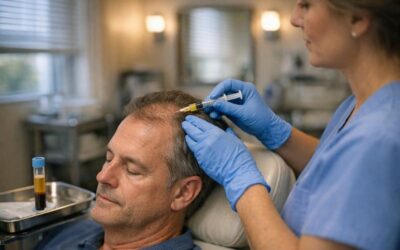
Your first med spa visit should do more than match a treatment to a concern. It should review your health history, clarify your goals, and build a plan around what your skin, structure, and body actually need. That’s why the first appointment is structured as a consultation, not just a quick service.

Come prepared with your medication list, relevant medical history, and details about past treatments. Avoid alcohol, blood-thinning supplements, excess sun, and new skincare products beforehand so your provider can make accurate recommendations. During the visit, expect a medical intake, a discussion of realistic outcomes, and an assessment that looks beyond surface concerns.

If a provider skips your history or pressures you to commit immediately, that’s a red flag. A clear treatment plan should include what’s recommended, why, and what to expect over time.

Ready to start with a plan that fits your situation? Schedule a consultation at Dr. Melinda Silva’s office.

Why You Feel Worse Before You Feel Better: Understanding the Treatment Adjustment Phase

Why You Feel Worse Before You Feel Better: Understanding the Treatment Adjustment Phase

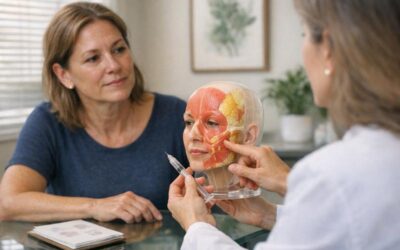
If you recently started a new treatment and feel worse before you feel better, you may be going through the treatment adjustment phase. This is a normal response for many therapies, including hormone therapy, weight management, and IV nutrition. The body often needs time to adapt before symptoms settle into a steadier pattern.

During this phase, temporary fatigue, mood changes, sleep disruption, or mild bloating can show up. That does not automatically mean the treatment is failing. Stopping too early can interrupt the process and make it harder to tell if the plan is actually working.

Supporting your body with hydration, consistent sleep, and regular nutrition can help ease the transition. If symptoms feel severe or keep getting worse, that is worth reviewing with your provider.

Read the full article to understand what is typical during this phase and when it makes sense to adjust your plan.

How Combining Facial Treatments Can Create Better, Longer-Lasting Results

How Combining Facial Treatments Can Create Better, Longer-Lasting Results

Many people start with one treatment, like Botox or a facial, expecting it to handle everything. But aging affects multiple layers—muscle movement, skin quality, and volume. A single treatment often leaves other contributing factors unaddressed, which is why results can feel incomplete or fade faster than expected.

Combining treatments like Botox with facials or fillers addresses these layers together. Reducing muscle movement softens lines, improving skin texture creates a smoother surface, and restoring volume brings balance back to facial structure. The right combination and timing can lead to more natural, longer-lasting results.

If your results have started to feel limited or inconsistent, it may be time to look at a more complete plan.

Read the full article to learn how a personalized approach can help.

Acne vs Aging Skin: How to Choose the Right Treatment Path

Acne vs Aging Skin: How to Choose the Right Treatment Path

Many adults reach a point where breakouts haven’t fully stopped, but fine lines and changes in firmness are starting to show. Treating both can feel like a trade-off — aggressive acne products often make aging signs worse, while richer anti-aging formulas can clog pores.

The key is a balanced approach that supports the skin barrier, calms inflammation, and stimulates collagen in the right order. Treatments like chemical peels, professional facials, and microneedling can address both concerns when selected carefully.

If you’re managing breakouts and visible aging together, a personalized plan makes the difference. Read the full article to learn more about building a treatment strategy that fits your skin.

PRP for Hair, Skin, and Recovery: What It’s Actually Used For

PRP for Hair, Skin, and Recovery: What It’s Actually Used For

PRP isn’t about instant change—it uses your own growth factors to support your body’s natural repair processes. The results build gradually, and consistency matters more than speed.

For hair thinning or skin changes, timing is key. PRP works best when there’s still active tissue to improve, which is why earlier evaluation often leads to better outcomes. It doesn’t create new structures or replace procedures like fillers; it helps existing tissue function more effectively.

If you’ve noticed hair shedding, dull skin, or slower recovery, a personalized plan may give PRP more to work with. A consultation can help determine whether it’s a good fit for your concerns.

Read the full article to understand when PRP makes sense and how to set realistic expectations.

How to Build a Personalized Anti-Aging Treatment Plan (Skin, Hormones, and Body)

How to Build a Personalized Anti-Aging Treatment Plan (Skin, Hormones, and Body)

Most anti-aging plans treat symptoms one at a time. That often leads to inconsistent results that are harder to maintain. Aging affects your skin, hormones, and body composition together, so your treatment plan should address them the same way.

A personalized plan starts with a comprehensive assessment to identify what’s driving changes. Then treatments like Botox, fillers, hormone therapy, or body contouring are sequenced so each step supports the next. This approach helps results look more balanced and last longer.

If you’re noticing changes across multiple areas at once, a structured plan may help you see steadier progress. Read the full article to learn how it works.

What Makes a Good Candidate for Body Contouring Treatments?

What Makes a Good Candidate for Body Contouring Treatments?

Body contouring is designed to refine specific areas, not replace weight loss. Many people expect dramatic changes on the scale, but the real results show in your shape—and that difference matters more than most realize.

A good candidate typically has a stable weight and wants to target stubborn fat or improve muscle definition in areas that haven’t responded to diet and exercise. Skin elasticity, overall health, and matching the right treatment to your goal also play a significant role.

If weight loss is still your primary goal, that should come first. Body contouring works best as a refinement step, not a shortcut.

Schedule a free consultation to get a clear evaluation of whether you’re a candidate—and which treatment makes sense for you.

Which Weight Loss Approach Is Right for You? Medical Weight Loss vs Body Contouring

Which Weight Loss Approach Is Right for You? Medical Weight Loss vs Body Contouring

If your weight is stable but certain areas are not changing, body contouring may be the right next step. If overall fat loss is your goal, medical weight loss is usually the better place to start.

Using the wrong approach can make progress feel stalled. Medical weight loss addresses broader factors like metabolism and hormones to support full-body fat reduction. Body contouring targets localized stubborn fat once your weight is stable. In many cases, the best path is weight loss first, then contouring for refinement.

If you have hit a plateau or your shape is not changing the way you expected, it may be time to rethink the approach.

Read the full article on our blog.

Hormones vs Lifestyle: What’s Actually Causing Your Low Energy?

Hormones vs Lifestyle: What’s Actually Causing Your Low Energy?

Low energy is rarely caused by just hormones or just lifestyle. It usually follows patterns, and those patterns can help narrow down what is driving it. If your fatigue does not improve with rest or routine changes, hormones may be part of the picture. If it shifts with sleep, stress, or nutrition, lifestyle factors are more likely contributing.

Hormonal fatigue often feels steady and persistent. You may do the right things but still feel consistently drained. Lifestyle fatigue tends to fluctuate and build over time. When both are involved, lifestyle changes alone may stop producing results.

The key is looking at timing, response to rest, and consistency of symptoms. Once you identify the pattern, the next step becomes more focused. If your energy has not improved despite consistent effort, a structured evaluation may be the most useful next step.

Read the full article to learn more about how to tell the difference.

What Happens After You Start Hormone Therapy? A Realistic Timeline

What Happens After You Start Hormone Therapy? A Realistic Timeline

Hormone therapy results don’t happen all at once. Sleep and energy often shift first—sometimes within a few weeks. Other changes, like body composition and libido, usually take longer.

Understanding the typical timeline helps you evaluate progress realistically. Many people notice more consistent improvements between one and three months, with deeper changes over three to six months. Full results often develop by six to twelve months, but progress can be uneven. That is normal.

What matters most is staying consistent and following up regularly. If you are unsure whether your results are on track, it may be time for a structured reassessment.

Read the full article for a clearer picture of what to expect and when.

How to Tell If Your Symptoms Are Hormonal or Something Else

How to Tell If Your Symptoms Are Hormonal or Something Else

Not sure if your symptoms are hormonal or something else? The key difference often comes down to pattern. Hormonal symptoms tend to repeat over time, follow a rhythm, and affect multiple systems at once. Non-hormonal symptoms are more likely to shift with sleep, stress, diet, or routine.

A single symptom alone doesn’t tell you much. But a recurring pattern — especially when sleep, mood, and weight changes show up together — can point to a broader issue worth evaluating.

If your symptoms feel random or improve with lifestyle changes, hormones may not be the main driver. Getting the full picture matters before deciding on next steps.

Read more about how to tell the difference.

The Connection Between Muscle Mass, Metabolism, and Aging

The Connection Between Muscle Mass, Metabolism, and Aging

Muscle mass plays a bigger role in your metabolism than many people realize. As muscle declines with age, your resting calorie burn often drops too. That is why the same diet and exercise routine may stop producing the same results over time.

Strength training and adequate protein intake are essential for maintaining muscle. Cardio is valuable for overall health, but it does not stimulate muscle growth the same way resistance work does. For some, targeted treatments like Emsculpt can provide additional muscle stimulation in stubborn areas.

If your body is no longer responding as expected, an integrated approach that considers muscle, hormones, and metabolism together may offer a clearer path forward.

Read the full article to learn more about the connection between muscle mass, metabolism, and aging.

Traducir »